I have spent much of my career working with businesses that depend on people deciding to stop somewhere. Sometimes that means a traveler pulling into a gas station. Other times, it means someone visiting an outdoor attraction or making a detour to experience something they would not normally do at home.
After working with tourism businesses, roadside destinations, and commercial developments, I have become interested in what makes people stop at one place and drive right past another.
I think about it whenever I am on the road. I notice businesses that seem busy even though they are not particularly impressive from the outside. I also notice places that look like someone invested a lot of money in them, but the parking lot is nearly empty.
There is usually more to the story than what you can see from the road. Still, I find myself asking the same question: What made someone decide to stop here instead of somewhere else?
A Good Location Doesn’t Automatically Bring Customers
People often talk about location as though it is the answer to everything in business. I agree that location matters, especially when you are developing something that depends on passing traffic, but I have never believed that being on a busy road guarantees success.
You can have thousands of vehicles pass a property every day, but that doesn’t mean those drivers are potential customers. They might be commuting to work, heading somewhere with a schedule to keep, or traveling in the wrong direction to access your business conveniently.
When I look at a location, I try to think about the people using the road rather than focusing only on vehicle counts.
Are they local residents who pass through every morning? Are they tourists looking for something interesting to do? Are they traveling long distances and likely to need fuel, food, or a break?
Those are very different customers, and a location that works for one group might not serve another.
My involvement in roadside destinations, including Arizona Last Stop, has given me opportunities to think about how businesses fit into the journeys people are already making. A property can look promising on a map, but I believe you need to understand why someone would actually want to stop there.
People Need a Reason to Notice You
One thing I have learned is that a business has a limited amount of time to make an impression on someone driving past.
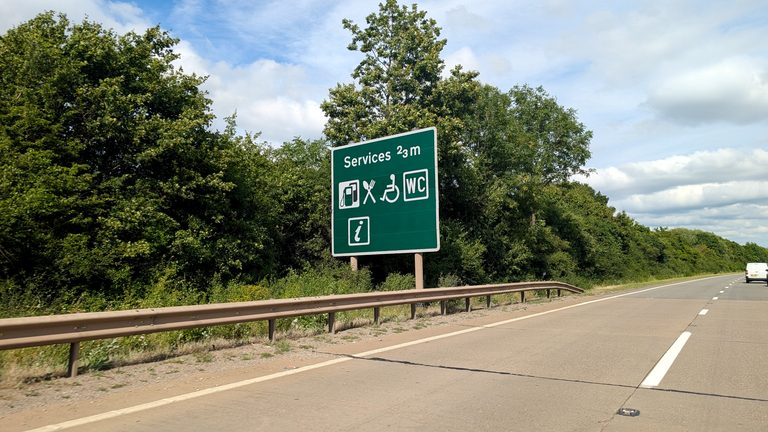
A driver might notice a sign, a building, an entrance, or a group of vehicles parked outside. Within a few seconds, they may have already decided whether the place interests them.
That creates an interesting challenge because attracting attention is different from communicating something useful.
A large sign might make a business visible, but does it tell people what they can find there? An unusual building might get someone to look twice, but does it give them a reason to pull in?
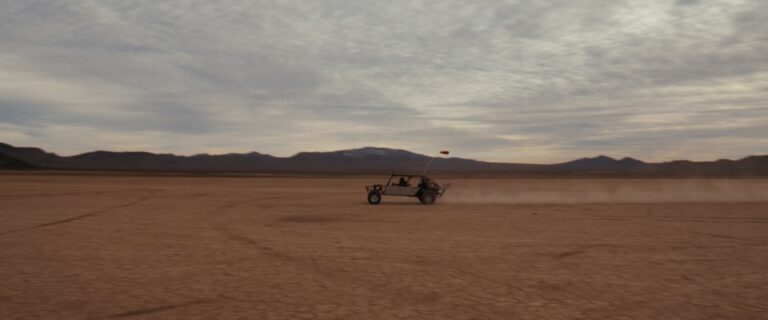
I’ve worked in outdoor recreation businesses where the experience itself was something people had to plan for. Activities such as off-road adventures, water sports, and helicopter tours are different from stopping for a drink or filling up a vehicle. Customers often learn about those activities before they arrive.
Even so, a location’s physical appearance matters. People want to feel confident that they have found the right place and that the business is organized enough to deliver what they expect.
I think the best roadside businesses understand what they are offering and make that clear without trying to communicate everything at once.
Making It Easy to Stop Matters More Than People Think
I pay attention to one thing when I visit a business for the first time. I notice how much effort it takes to get from the road to the front door.
Sometimes the entrance is difficult to identify, or you have to drive past the property and turn around. Other times, the parking area is confusing, and you are not quite sure where you are supposed to go.
These might seem like small inconveniences, but I wonder how many customers decide stopping isn’t worth the trouble.
I have helped develop a major 76 gas station and travel center, and that experience reinforced how important it is to consider the different reasons people arrive at a property. Someone driving a passenger vehicle has different needs from someone operating a large diesel truck. A person who only wants fuel may approach the stop differently from someone looking for food or a longer break.
You cannot make every part of a property equally convenient for everyone. Space, access, and how areas are arranged always create limitations.
The challenge is deciding which needs matter most and finding reasonable ways to accommodate them.
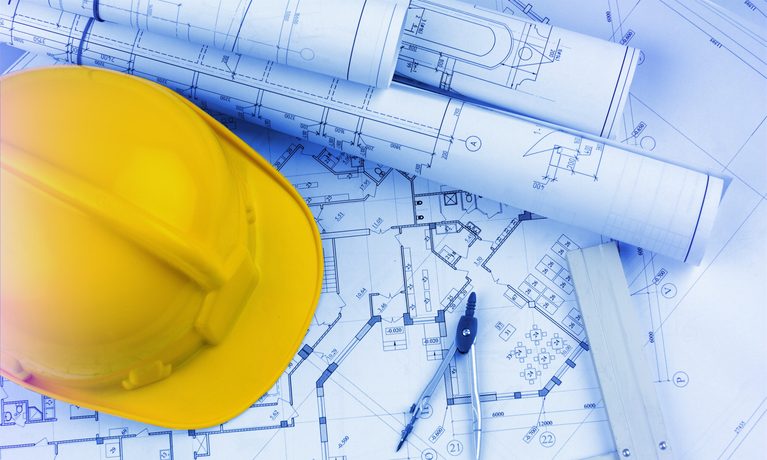
I think this is where developers have to be careful not to get too attached to how something looks on paper. A layout might appear efficient in a drawing, but you still need to imagine someone using it for the first time.
Sometimes the Businesses That Surprise Me Are the Simplest Ones
I have seen enough different businesses over the years to know that an elaborate concept is not always necessary to attract customers.
Some places succeed because they do a few basic things very well. They are easy to find, the service is dependable, and customers know what to expect.
Other businesses offer something unusual that makes the trip worthwhile. That has been part of the appeal of outdoor recreation and adventure tourism around Las Vegas. Visitors may already be coming to the area, but a particular experience gives them a reason to travel beyond the places they originally planned to visit.
Neither approach is automatically better.
A business that depends on convenience has to make stopping easy. A destination business may be able to ask customers to travel farther, but it needs to offer an experience they believe is worth the effort.
I also think developers need to be realistic about how much they can influence customer behavior. You can improve visibility and access, but you cannot make someone interested in a product or experience they do not want.
That is why I believe understanding the customer should come before getting carried away with the idea itself.
I Still Learn Something From the Places I Pass
Even after years of working across tourism, retail, and development, I do not assume I can look at a business and immediately know why it is succeeding or struggling.
A full parking lot might indicate strong demand, but it could also reflect limited parking or a particularly busy afternoon. An empty lot might be a warning sign, or I might simply be passing at the wrong time.
I try not to confuse an observation with a conclusion.
What interests me is looking beyond the first impression and considering the decisions that may have influenced it. Why was the entrance placed there? What makes the business noticeable? Is it serving the people who naturally travel through the area, or is it trying to attract customers from somewhere else?
Those questions have become a habit for me, partly because I have spent so much time working with businesses where location and customer experience are closely connected.
I still believe there are opportunities in creating places people want to visit, but I have learned not to assume that building something interesting is enough.
You have to give people a reason to stop, make it practical for them, and deliver an experience that makes the decision worthwhile. When I drive past a business, those are the things I find myself thinking about.